Guide

Buying a house with foundation repair in the Tyler area

A repaired foundation is not a reason to walk away, and it is not proof the job was done right. Here is what the seller has to tell you, what a home inspector checks, and the papers to get before you close.

Checked September 21, 2026 · 20 sources · 13 min read

A buyer on the TexAgs forum, looking at a 1968 brick pier and beam house “in sandy east Texas soil,” put the question plainly: “Is this a deal breaker to you?” Some version of it came up in about a dozen separate threads we read. This guide works through the answer for houses in Tyler and the rest of Smith, Henderson, Cherokee and Van Zandt counties.
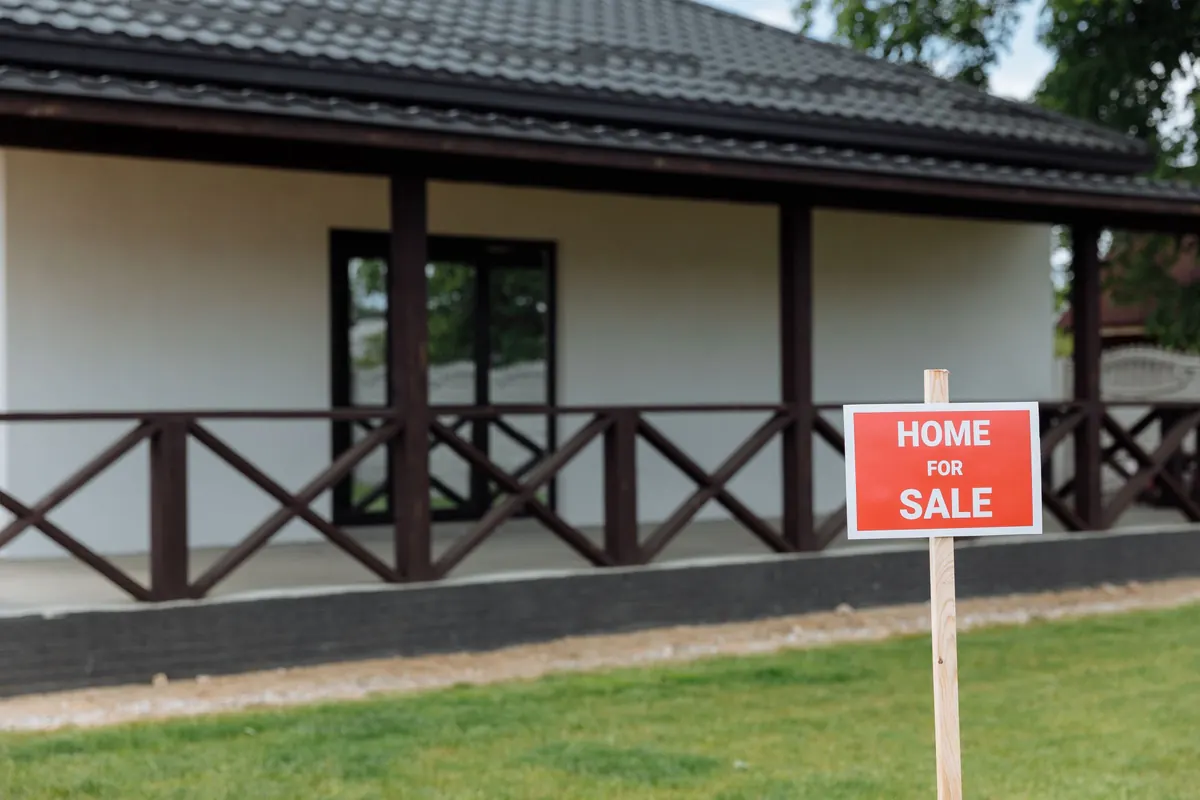
A red Home for Sale sign on a post in front of a single-story house with a covered porch.

Should I buy a house with recent foundation repair?

You can, if the repair checks out. A past repair tells you the house moved enough for someone to pay for work. It does not tell you whether an engineer designed the fix, whether it is holding, or whether the warranty will pass to you. Get those three answers in writing before you close.

The word “repaired” on a listing settles none of this. The rest of this guide takes the checks in order: the seller’s disclosure, the home inspection, the repair file, the warranty, and your own engineer.

Did the seller have to tell me about the repair?

If the seller knew, the disclosure form asks. Texas Property Code §5.008 says a seller of a home with one dwelling unit “shall give” the buyer a written notice. The form asks about defects in “Foundation/Slab(s)” and about any “Previous Structural or Roof Repair.” Read those two lines first.

The exact wording matters. Under “Are you (Seller) aware of any known defects/malfunctions in any of the following?” the form lists “Foundation/Slab(s),” and it adds: “If the answer to any of the above is yes, explain.” Under “Are you (Seller) aware of any of the following conditions?” it lists “Previous Structural or Roof Repair,” “Improper Drainage” and “Termite or Wood Rot Damage Needing Repair.”

There is no line just for past foundation work. “Previous Structural or Roof Repair” covers roofs too, so a check there does not tell you which. Ask the seller, in writing, what was repaired, when, and by whom. The Texas Real Estate Commission publishes the current form as TREC No. 55-1, for contracts entered into on or after September 1, 2023.

“Are you required to disclose repairs made by a prior owner?”

That question came up on a TexAgs thread about sellers who left a past repair off their disclosure. The form asks what the seller is “aware” of. Its repair line says nothing about who owned the house when the work was done.

If you think a seller left out a repair they knew about, talk to a Texas real estate lawyer. This guide is general information, not legal advice.

Will the home inspector catch a foundation problem?

The inspector will report what can be seen. Texas rules call for a written opinion on how the foundation is performing, plus the visible signs behind it. The same rules do not make the inspector find the cause, go into a very tight crawl space, or recommend engineering. Judging an old repair is an engineer’s job.

The Texas inspection rules (22 TAC §535.228) tell the inspector to “render a written opinion as to the performance of the foundation” and to report signs such as:

  • “binding, out-of-square, non-latching doors”
  • “framing or frieze board separations”
  • “sloping floors”
  • “window, wall, floor, or ceiling cracks or separations”
  • “rotating, buckling, cracking, or deflecting masonry cladding”

Inspectors are not required to determine “the cause or source of a condition” or to “recommend or provide engineering” services (§535.227). They also do not have to enter a crawl space where “headroom is less than 18 inches or the access opening is less than 24 inches wide and 18 inches high.” On a pier and beam house, the report must give “the vantage point from which the crawl space was inspected.” Read that line.

The Texas engineering board draws the same line. Its Advisory Opinion 43 says “analyzing the cause of a condition, recommendations for repair, or providing any other expert engineering opinion associated with a foundation” is engineering. A home inspector doing a visual check under the TREC rules “does not engage in the practice of engineering.”

So the inspection report is where you start. It is not a verdict on the old repair.

What paperwork should the seller hand over?

Ask for the whole repair file, in writing, as soon as your offer is accepted: the contract and invoice, the engineer’s reports, the before and after floor readings, any permit, the plumbing test results, and the warranty with its transfer terms. Each paper answers a different question about the repair.

Ask for What it tells you
Repair contract and final invoice Who did the work, when, the method, and how many piers went where
Engineer’s report from before the repair Why the house moved, and what repair the engineer designed
Engineer’s letter after the repair What the engineer checked once the work was done
Floor elevation readings, before and after How far out of level the floor was and what changed. Engineers use these readings to work out tilt and deflection
Permit, if the city issues one Whether the job went through the city’s permit office
Plumbing test results Whether the pipes under the slab were tested around the repair
The warranty itself What it covers, for how long, and how it passes to a new owner

One TexAgs reply boiled the first step down to three questions: “Who did the foundation work?” “Are they still in business?” “Did they provide a warranty?” When you get the warranty, make sure it is the signed warranty and not a proposal or an estimate.

Papers do get lost. In another TexAgs thread, the sellers had left a past repair off their disclosure, and they “THREW AWAY ALL THE DOCUMENTATION.” The buyer called the city to see who pulled the permit, and wrote: “I would just like the warranty for it and know who did it.”

Was a permit pulled?

It depends on where the house is. Tyler’s fee schedule charges $0.35 per square foot for “All Additions, Alterations, Repairs,” plus a plan check fee of 20% of the permit fee. The city’s FAQ says a permit is required “even if you are only replacing sheetrock.” But Tyler publishes no rule written for foundation repair. Call Building Services at (903) 531-1151 and ask whether a permit is on file for the address.

Canton is the one city in this area whose fee schedule names the job: “Foundation Repairs $50.00 with Engineer Design” (Ordinance 2025-16, in force from October 1, 2025). The Canton page has the office details.

Outside city limits there may be nothing to find. Smith County says: “Other than subdivision regulations, Smith County has no local building policies for construction in unincorporated areas of the county.” Tyler’s FAQ points to SmithCountyMapSite.org to check whether an address is inside the city. Flood zones are the exception to the county rule; the Flint and Gresham page explains. Our permit guide lists every office in the four counties.

Does the foundation warranty come with the house?

Only on the warranty’s own terms. In Texas cases we read, one lifetime warranty “transfers to new owners at no charge.” Another company wanted a $250 fee and a plumbing test to reinstate its warranty. A third warranty was called void because it was not transferred within 30 days of purchase. Read the transfer section early.

Here are those cases in the homeowners’ own words:

  • A buyer looking at a mid-1980s house repaired in 2022 said the work carried a lifetime warranty that “transfers to new owners at no charge” (TexAgs, 2026).
  • League City owners were told that to reinstate the previous owner’s warranty they needed “a hydrostatic test performed to check for under slab leaks,” “a $250 transfer fee” and a “$75+ inflation fee” (Justia, December 2024).
  • A Houston buyer’s 10-year warranty was voided, the company said, because it “was not transferred within 30 days of purchase” and “Soaker hoses weren’t installed” (Justia, September 2022).

Before closing:

  1. Get the warranty document itself, with the company’s name and the property address on it.
  2. Find the transfer section. Note any deadline, fee, test or form.
  3. Call the company. Ask it to confirm in writing that the warranty is on file for the address, and what the transfer takes.
  4. Settle with the seller who pays for any fee or test.
  5. Put the deadline on your calendar, and keep proof you met it.

The guide to foundation repair warranties covers the clauses to read and what to do if a company refuses a claim.

Should I hire my own engineer before closing?

Yes, if the house has had foundation work. A structural engineer’s evaluation with a written report usually costs $300 to $800 (industry estimate). Texas treats judging why a foundation moved, or how to repair it, as engineering, so the engineer is the one professional whose job is to judge the old repair.

What an inspection or evaluation costs
ServiceTypical priceWhere the figure comes from
Inspection by a foundation repair companyUsually freeMost Tyler-area foundation companies advertise a free inspection or estimate (at least eight of the ten company sites we checked, September 21, 2026)
Structural engineer’s evaluation and written report$300 to $800HomeGuide, HomeAdvisor, Olshan, Stratum; complex or disputed cases can cost more
Engineer’s letter after the repair$200 to $500Stratum (one source)

Industry estimates compiled from the sources named in each row, checked September 21, 2026. These are not Tyler prices. No Tyler foundation company publishes its prices, and no government or university dataset of foundation repair costs exists for Tyler or East Texas.

Pick an engineer who works for you, not for the seller or the company that did the repair. The ASCE Texas Section’s repair guidelines say “the evaluation and repair design shall be performed by a professional engineer licensed in the State of Texas.” They are guidelines, not law.

Book the engineer as soon as your offer is accepted, so the report comes back before any deadline in your contract to back out. Ask:

A foundation company’s inspection is another view. It can tell you what a fix would cost. An engineer’s report tells you whether one is needed. For more on the difference, see engineer or foundation company.

What would a repair cost if the house needs more work?

Industry estimates put slab repair with piers at $5,000 to $25,000, re-leveling a pier and beam house at $1,200 to $4,000, and pier and beam work with new piers, beams or sills at $5,000 to $15,000. No Tyler company publishes prices, so get a written estimate before you negotiate.

What whole jobs cost
JobTypical totalWhere the figure comes from
Slab repair with piers (a corner to the whole perimeter)$5,000 to $25,000Contractor averages: Stratum about $5,300 (DFW), Anchor about $11,000 for pressed piles, Olshan $11,950 (national, 2026); HomeGuide and Angi put underpinning at $10,000 to $30,000
Pier and beam re-shim or re-level$1,200 to $4,000Angi (2026), Anchor (2026)
Pier and beam repair with new piers, beams or sills$5,000 to $15,000Anchor, Thomas Engineering (2025), HomeGuide
New or added piers under a pier and beam house$800 to $4,000 eachAngi, HomeGuide (pier reinforcement $1,500 to $3,000 per pier)
Beam replacement$400 to $4,000 per beam (sources disagree widely)Angi $400 to $1,200; HomeGuide $1,500 to $4,000
Sill plate replacement$100 to $200 per linear footAngi (2026), HomeGuide (2025)
Crack injection (seals a crack, does not stop movement)$250 to $800 per crackHomeGuide, Angi, HomeAdvisor
Mudjacking (slab lifting with grout)$3 to $9 per square footAngi (2,631 projects, 2026), HomeGuide
Polyurethane foam lifting$5 to $25 per square footAngi (2026), HomeGuide

Industry estimates compiled from the sources named in each row, checked September 21, 2026. These are not Tyler prices. No Tyler foundation company publishes its prices, and no government or university dataset of foundation repair costs exists for Tyler or East Texas.

The cost guide has every range with its source, including per-pier prices by method.

Check insurance before you close, too. The Texas Department of Insurance says most home policies don’t cover “Earthquakes or earth movement.” It lists “Damage to foundations or slabs” as a common endorsement, which is an add-on you can ask about. See does insurance cover foundation repair. This is not insurance advice.

Selling a house with a repaired foundation: what should I have ready?

Put together the file a careful buyer will ask for: the contract, the engineer’s reports and letter, the floor readings, any permit, the plumbing tests, and the warranty with its transfer steps. Then answer the disclosure form’s foundation and repair questions in full, and explain every yes.

What if the repair was hidden, or fails after I buy?

Start with paper: your disclosure notice, your inspection report, the repair file and any warranty. Get an independent engineer’s report on what is wrong now. Then talk to a Texas lawyer soon, because legal deadlines apply. This guide is general information, not legal advice.

It happens here. In July 2023 a buyer in Grand Saline, in Van Zandt County, asked on Justia what to do after being told the foundation issues “were corrected.” The house was pier and beam, and the buyer wrote: “now the floor in my house is falling.”

Two different paths may apply. If the problem is a repair company’s work, or a warranty it won’t honor, see the warranty guide. Before a lawsuit for damages under the Deceptive Trade Practices Act, Texas requires written notice at least 60 days ahead (Bus. & Com. Code §17.505).

If the question is what the seller knew, a real estate lawyer can tell you what the disclosure notice means for your case.

Before you hire anyone

Check the company yourself

Texas does not license foundation repair companies. Bills to create a license passed the Senate in 2011 and died in the House, and a second attempt in 2013 also failed (SB 1399, HB 613). So the checks that matter are yours to make. Each takes a few minutes.

  1. Ask who the engineer is. The Texas engineering board says working out why a foundation moved, or recommending how to repair it, is the practice of engineering (Advisory Opinion 43). Get the engineer's name and look up the license on the state roster.
  2. Check the plumber's license. If the job includes a plumbing test or a leak repair, the plumbing has to be done under a licensed plumber. Look the license up with the Texas State Board of Plumbing Examiners.
  3. Read the warranty before you sign. Get it in writing, see whether it transfers when you sell, and find the clauses that void it. Watering and plumbing conditions are the ones homeowners most often learn about too late.
  4. Ask who pulls the permit. Most cities here charge a permit fee for repairs, and Canton names foundation repair in its fee schedule. Unincorporated county land has no building permit at all. Our permit guide lists each office.
  5. Keep the paperwork. If a job goes wrong, Texas law makes you give the company written notice at least 60 days before you sue under the Deceptive Trade Practices Act (Bus. & Com. Code §17.505). Estimates, contracts, photos and emails are your record.

The full hiring checklist

What happens after you call or send the form

  1. 1

    Your request goes to one company

    We pass it to one independent foundation repair company that works in your area. Not a list, and not an auction.

  2. 2

    They call to set up a visit

    Most Tyler-area foundation companies advertise a free inspection or estimate. Ask on that first call, so there are no surprises.

  3. 3

    You get a written estimate

    It should name the repair method, how many piers and where, who designs the repair, the permit, the warranty and the price. Compare it with our published price ranges.

  4. 4

    You decide

    There is no obligation. If you want a second opinion, an independent structural engineer's evaluation usually costs $300 to $800.

Questions buyers ask

Should having foundation repair work done 4 years ago be something to worry about?

Not by itself. What matters is whether an engineer designed the repair, how the house is performing now, and whether the warranty will pass to you. Ask for the repair file, read the transfer terms, and have your own structural engineer measure the house before closing. A written evaluation usually costs $300 to $800 (industry estimate).

Are you required to disclose repairs made by a prior owner?

The Texas seller’s disclosure form asks what the seller is aware of. Its list of conditions includes “Previous Structural or Roof Repair” and does not limit that to work done while the seller owned the house. If you think a seller left out a repair they knew about, talk to a Texas real estate lawyer. This is not legal advice.

If the home inspector does not see any foundation issues though there should be no need to hire a foundation inspector is that right?

Not for a house with a past repair. Texas inspectors give a written opinion on how the foundation is performing, based on what they can see. The rules do not require them to find causes, enter very tight crawl spaces or recommend engineering. An independent structural engineer is the one who judges whether an old repair is holding.

Who did the foundation work? Are they still in business? Did they provide a warranty?

Those three questions, from a reply on the TexAgs forum, are the ones to ask the seller first. The company’s name should be on the contract, the invoice or the warranty. If the papers are gone, ask the city’s permit office whether a permit is on file for the address. Homes outside city limits in Smith County have no building permit to find.

Is this a deal breaker to you?

It depends on what your engineer finds and what more work would cost. Industry estimates put slab pier jobs at $5,000 to $25,000 and pier and beam re-leveling at $1,200 to $4,000, and no Tyler company publishes its prices. An engineer’s report and a written estimate turn a worry into numbers you can negotiate with.

Sources

Each source was opened and checked on the date shown. If a link has moved, tell us and we will fix it.

  1. Texas Property Code §5.008, seller's disclosure of property condition, Texas Legislature. Checked September 21, 2026.
  2. Seller's Disclosure Notice, TREC No. 55-1, Texas Real Estate Commission. Checked September 21, 2026.
  3. Standards of Practice, 22 TAC §535.227 and §535.228, Texas Real Estate Commission. Checked September 21, 2026.
  4. Engineering Advisory Opinion Request #43 (2018), Texas Board of Professional Engineers and Land Surveyors. Checked September 21, 2026.
  5. Guidelines for the Evaluation and Repair of Residential Foundations, Version 3 (April 2022), ASCE Texas Section. Checked September 21, 2026.
  6. Schedule of Fees, City of Tyler. Checked September 21, 2026.
  7. Development and Planning FAQs, City of Tyler. Checked September 21, 2026.
  8. Ordinance 2025-16, amended schedule of fees, City of Canton. Checked September 21, 2026.
  9. County Ordinances and Policies (10.01 Building and Construction Permit Policy), Smith County. Checked September 21, 2026.
  10. Home insurance guide, Texas Department of Insurance. Checked September 21, 2026.
  11. Business and Commerce Code Chapter 17 (§17.505, notice before a DTPA suit), Texas Legislature. Checked September 21, 2026.
  12. American Community Survey 2020-2024 5-year estimates, tables B25034 and B25035 (year structure built), U.S. Census Bureau. Checked September 21, 2026.
  13. Pier and beam question, TexAgs forum. Homeowner question, East Texas, quoted as posted. Checked September 21, 2026.
  14. Finding out who did foundation repair when buying a house, TexAgs forum. Homeowner thread, quoted as posted. Checked September 21, 2026.
  15. Disclosure Question - Foundation Repairs, TexAgs forum. Homeowner thread, quoted as posted. Checked September 21, 2026.
  16. Foundation Repair on new home?, TexAgs forum. Homeowner question, quoted as posted. Checked September 21, 2026.
  17. Foundation repair average costs, BiggerPockets forum. Homeowner question, Houston, quoted as posted. Checked September 21, 2026.
  18. Are foundation warranties automatically transferred to a new owner of a home that had previous foundation work done?, Justia Ask a Lawyer. League City, TX, December 18, 2024. Checked September 21, 2026.
  19. What to do if company won't honor warranty?, Justia Ask a Lawyer. Houston, TX, September 10, 2022. Checked September 21, 2026.
  20. If I bought a house with foundation issues, but were told those issues were corrected and they weren't. what can I do, Justia Ask a Lawyer. Grand Saline, TX, July 28, 2023. Checked September 21, 2026.

Next step

Get a written estimate from a local foundation company

Tell us what you are seeing and where the house is. Your request goes to one independent foundation repair company that works in your part of East Texas. Ask them the questions on this page before anyone lifts a shovel.

Free, with no obligation. Your request goes to one independent local company, not a list. How we handle your details.

Get a free quote